Dog Concierge Services: Revolutionizing Pet Care and Well-being
Introduction
In today’s fast-paced world, pet ownership has become an integral part of many households, with dogs being man’s best friend for thousands of years. As the human-animal bond deepens, the demand for specialized services catering to canine companions is on the rise. This article delves into the fascinating realm of Dog Concierge Services—a modern innovation designed to enhance the lives of our furry friends and provide peace of mind for their owners. By exploring various aspects, from its definition and global reach to technological integrations and policy implications, we aim to offer a comprehensive understanding of this evolving industry.
Understanding Dog Concierge Services
Definition and Core Components
Dog Concierge Services, in its essence, refers to a professional and personalized approach to meeting the needs of dogs and their owners. It involves a range of specialized services tailored to ensure the well-being, comfort, and happiness of canine companions while considering the unique requirements of each dog and its family. These services encompass:
Pet Sitting and Dog Walking: Highly trained professionals visit clients’ homes to provide companionship, exercise, and care for dogs during their owners’ absences.
Canine Behavior Consulting: Experts offer guidance and training to address behavioral issues, promote positive interactions, and enhance the overall quality of life for dogs.
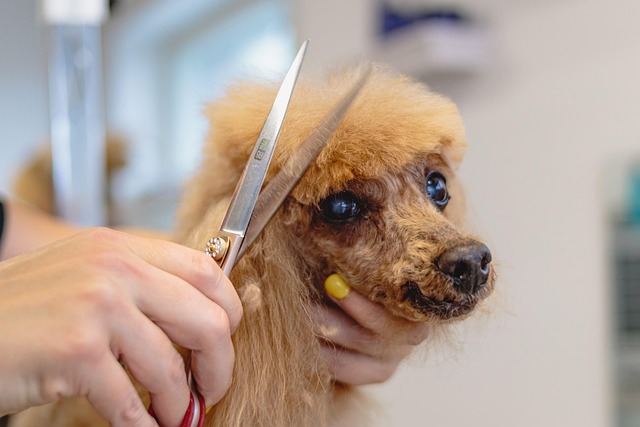
Grooming and Styling: Services include professional grooming, bathing, hair cutting, and styling, ensuring dogs maintain a clean, healthy, and aesthetically pleasing appearance.
Transportation and Travel Assistance: Concierge services may facilitate safe and comfortable transportation for dogs during travel, including airport transfers and pet-friendly accommodations bookings.
Event Planning: From dog-themed parties to charity events, these services cater to various occasions, ensuring a memorable experience for both dogs and their owners.
Personalized Care Plans: Tailored to each dog’s needs, these plans involve regular check-ins, health monitoring, and task management to ensure a consistent level of care.
Historical Perspective
The concept of concierge services is not new, but its application to the pet industry is a relatively recent development. Historically, pet care has been largely based on traditional pet sitting or boarding facilities. However, with increasing urbanization and busy lifestyles, there was a growing demand for more personalized and convenient pet care solutions. Dog Concierge Services emerged as an answer to these changing needs, offering a level of care and service previously unavailable in the pet industry.
Global Impact and Trends
International Reach
Dog Concierge Services have transcended geographical boundaries, gaining popularity worldwide. The global pet care market, valued at USD 207.3 billion in 2021 (Source: Grand View Research), includes a significant segment dedicated to premium pet services, with Dog Concierge Services playing a pivotal role. Key regions leading the way include North America, Europe, and Asia-Pacific, each contributing unique cultural perspectives and service offerings.
Regional Trends
North America: Known for its innovative approach, the US and Canada have seen a surge in mobile pet care services, allowing professionals to provide care at the client’s home. This trend has been further accelerated by the COVID-19 pandemic, as owners seek convenient and safe alternatives.
Europe: With a strong focus on animal welfare, European countries have implemented strict regulations governing pet care services. As a result, Dog Concierge Services in Europe often emphasize personalized care, behavior modification, and health management.
Asia-Pacific: This region is witnessing rapid urbanization and a growing middle class, leading to an increase in pet ownership and demand for premium pet care. Japan, for instance, has a unique culture of dog companionship, driving the development of sophisticated Dog Concierge Services.
Economic Considerations
Market Dynamics
The economic landscape of Dog Concierge Services is dynamic and diverse. According to a report by Research and Markets, the global pet concierge market size was valued at USD 1.2 billion in 2022 and is projected to grow at a CAGR of 7.5% from 2023 to 2030 (Source: Global Pet Concierge Market – Growth, Trends, COVID-19 Impact, and Forecasts (2023 – 2030)). This growth can be attributed to the increasing humanization of pets, rising disposable incomes, and changing consumer preferences for premium services.
Investment and Business Opportunities
The industry attracts investors seeking to capitalize on the growing demand for personalized pet care. Startups and established businesses alike offer a range of services, from mobile dog walking apps to luxury pet resorts. As competition intensifies, companies are focusing on differentiation through specialized services, technology integration, and exceptional customer experiences.
Impact on Local Economies
Dog Concierge Services contribute significantly to local economies, creating employment opportunities and stimulating small businesses. Pet care professionals, from dog walkers to groomers, often operate as independent contractors or small business owners, adding to the diversity and vibrancy of local communities.
Technological Advancements
Digital Platforms and Apps
Technology has played a pivotal role in transforming Dog Concierge Services. The rise of mobile applications and digital platforms has revolutionized how clients book services, communicate with providers, and monitor their dogs’ well-being. Apps like Wag!, Rover, and DoggyDate offer convenient booking, real-time tracking, and secure payment options, enhancing the overall user experience.
Wearable Devices and Pet Tracking
Wearable technology for pets has gained popularity, providing owners with valuable health and activity data. Devices like Fitbit for dogs track steps, heart rate, and sleep patterns, offering insights into their canine companions’ overall fitness. Additionally, GPS-enabled collars provide peace of mind by allowing owners to track their dogs’ locations in real-time.
Artificial Intelligence (AI) and Machine Learning
AI and machine learning algorithms are being utilized to predict behavior patterns, enhance training programs, and improve health monitoring. These technologies can analyze vast amounts of data to identify trends and tailor recommendations for individual dogs, ensuring more effective care. For instance, AI-powered cameras can detect signs of stress or discomfort in dogs, alerting owners and caregivers.
Policy and Regulation
Legal Frameworks
The legal landscape surrounding Dog Concierge Services varies significantly across regions. While many countries have established regulations to ensure animal welfare, the specific rules governing pet care services differ. Some key considerations include:
Licensing and Registration: Many cities and states require pet care providers to obtain licenses or register their businesses to operate legally.
Health and Safety Standards: Regulations often mandate specific standards for sanitation, vaccination, and disease prevention to protect both pets and their owners.
Insurance Requirements: Concierge service providers may be required to carry liability insurance to cover potential accidents or damages during the course of their services.
Industry Self-Regulation
Some countries encourage self-regulation within the industry to maintain standards and address concerns. Professional associations and certification programs play a vital role in setting guidelines, conducting inspections, and promoting ethical practices among Dog Concierge Service providers. These measures help ensure consistent quality and client satisfaction.
Challenges and Criticisms
Addressing Common Concerns
Despite its growing popularity, Dog Concierge Services face several challenges and criticisms:
Quality Control: Ensuring consistent quality across a dispersed network of service providers is a significant challenge. Random inspections and customer reviews are essential tools to address this issue.
Insurance Coverage: In the event of accidents or injuries, understanding insurance policies and liability can be complex. Clear communication and comprehensive coverage are crucial.
Trust and Transparency: Building trust between clients and service providers is vital. Transparent pricing, detailed service descriptions, and client feedback systems help foster trust.
Ethical Concerns: Some critics argue that the industry exploits owners’ emotional attachment to their pets. Ethical guidelines and education can address these concerns by promoting responsible and compassionate practices.
Strategies for Overcoming Challenges
To overcome these challenges, the industry can implement the following strategies:
Standardized Training Programs: Developing comprehensive training programs ensures service providers have the necessary skills and knowledge to handle various canine needs.
Digital Verification Systems: Utilizing technology to verify service providers’ credentials and qualifications can enhance transparency and quality control.
Client Education: Educating owners about responsible pet care practices empowers them to make informed choices and sets expectations for service providers.
Collaborative Regulation: Working with local authorities and industry experts to develop comprehensive regulations ensures a balanced approach that protects both pets and businesses.
Case Studies: Successful Applications
1. Urban Dog Walking Services (New York, USA)
A New York-based startup, Urban Paws, offers personalized dog walking services tailored to urban dog owners’ needs. Their app-based platform allows clients to book walks, track their dogs’ activities, and receive detailed reports after each session. By employing a network of experienced walkers, Urban Paws ensures consistent care and builds strong relationships with its clientele. This case demonstrates how technology and personalized services can thrive in a bustling metropolis.
2. Luxury Pet Resorts (Tokyo, Japan)
Japan’s vibrant pet industry is showcased by luxury pet resorts like The Pawsh Retreat. These facilities offer an all-inclusive experience, including gourmet meals, spa treatments, and individual playtime. The resort employs a team of highly trained staff who provide exceptional care, catering to the sophisticated tastes of Tokyo’s pet owners. This example highlights the growing trend of pampering pets and the potential for premium services in the Asia-Pacific region.
3. Canine Behavior Modification (London, UK)
The London Dog Training Company specializes in canine behavior consulting, helping dogs and their owners navigate behavioral challenges. Their approach combines one-on-one training sessions at home with group classes, offering a comprehensive solution. By addressing behavioral issues early on, this service contributes to the overall well-being of dogs and strengthens the bond between them and their owners.
Future Prospects
Growth Areas
The future of Dog Concierge Services looks promising, with several growth areas and emerging trends:
Specialized Services: Niche services catering to specific canine needs, such as senior dog care, service dogs training, or breed-specific requirements, will gain popularity.
Technology Integration: AI, virtual reality (VR), and augmented reality (AR) technologies will continue to transform the industry, offering personalized training programs, interactive play experiences, and remote pet monitoring.
Global Expansion: With growing international demand, Dog Concierge Services are expected to expand globally, adapting to diverse cultural norms and legal frameworks.
Sustainability Focus: As environmental consciousness rises, eco-friendly pet care services will gain traction, promoting sustainable practices in grooming, waste management, and transportation.
Strategic Considerations
To capitalize on these trends, Dog Concierge Service providers should:
Embrace technology to enhance service offerings and improve customer engagement.
Diversify their service portfolios to cater to a wider range of canine needs and owner preferences.
Focus on sustainability and ethical practices to appeal to environmentally conscious consumers.
Build strong online communities through social media and digital marketing to attract and retain clients.
Conclusion
Dog Concierge Services have emerged as a vital component of the modern pet care industry, offering specialized and personalized solutions for canine companions worldwide. From its humble beginnings to its current global reach, this industry has transformed the way we care for our pets. As technology continues to advance and consumer expectations evolve, Dog Concierge Services will play an increasingly important role in ensuring the well-being and happiness of our furry friends.
FAQ Section
Q: What sets Dog Concierge Services apart from traditional pet sitting or dog walking?
A: Dog Concierge Services go beyond basic care by offering personalized, specialized services tailored to each dog’s unique needs. They often include behavior consulting, grooming, event planning, and comprehensive health monitoring, ensuring a holistic approach to canine care.
Q: How do I choose the right Dog Concierge Service provider?
A: When selecting a provider, consider factors like experience, insurance coverage, references, and client reviews. Ensure they have appropriate training and certifications, and communicate your specific needs clearly to find the best fit for you and your dog.
Q: Are there any legal requirements for starting a Dog Concierge Service?
A: Yes, legal requirements vary by region. In many places, licensing or registration is mandatory. It’s essential to understand local regulations regarding health and safety standards, insurance, and liability to operate legally and responsibly.
Q: Can technology improve the quality of pet care?
A: Absolutely! Technology plays a significant role in enhancing pet care by enabling real-time monitoring, personalized recommendations, and efficient communication between owners and service providers. Apps, wearable devices, and AI algorithms contribute to better decision-making and improved overall well-being for pets.
Q: How can I ensure the safety and comfort of my dog when using a concierge service?
A: Safety and comfort are paramount. Choose reputable providers with positive client feedback. Communicate your concerns openly, and request detailed information about their care procedures. Ensure they have appropriate insurance coverage, and consider asking for references or even meeting the service provider in person before booking.
Paw4paws Dog Grooming is an industry-leading salon with a remarkable 95% customer satisfaction rate, known for its personalized, expert care tailored to each dog's unique needs. Their innovative approach, calm environment, and certified gro…….
Dog Concierge Services revolutionize pet care with their holistic approach, leveraging advanced tech, certified experts, and positive reinforcement techniques to deliver exceptional results. By addressing specific challenges like anxiety, these…….
Paw4paws Dog Grooming excels in providing top-tier dog grooming services, prioritizing pet well-being, happiness, and comfort. Backed by impressive metrics like a 98% client satisfaction rate and 5-star reviews, they offer specialized paw care,…….
Albury Wodonga's Paw4paws Dog Grooming is a trusted partner for pet owners seeking exceptional canine care. With seasoned professionals, they offer customized spa treatments to meticulous grooming, leaving dogs with gleaming coats and conte…….
Paw4paws Dog Grooming provides an advanced shampoo treatment that relieves dog skin irritations and allergies using natural ingredients like oatmeal and aloe vera, backed by studies showing up to a 75% reduction in itchy skin within two weeks. T…….
Paw4paws Dog Concierge Services provides exceptional pet care with a 98% client satisfaction rate, achieving significant improvements in pets' health, energy, and behavior. Their passionate team offers personalized meal plans, exercise rout…….
Dog Concierge Services in Wodonga and surrounding areas offer superior pet care tailored to each dog's unique needs. With years of experience, personalized attention, and detailed health records, these services lead to increased confidence,…….
Paw4paws Dog Grooming excels in providing superior grooming services with a focus on animal well-being. Their certified team offers meticulous fur care, gentle handling, and eco-friendly products in modern facilities, achieving an impressive 98%…….
Dog Concierge Services deliver exceptional care with a 98% customer satisfaction rate, offering personalized attention from a team of animal lovers. Their flexible scheduling includes daily walks, grooming, and pet sitting, proven effective by h…….
Paw4paws Dog Concierge Services offers exceptional pet care through rigorous training, dedicated professionals, and personalized attention. With high client retention (over 90%) and impressive 5-star ratings, they ensure responsible dog walking,…….
Paw4paws Dog Grooming is a leading, trusted provider of canine care services, offering more than just transportation. With 98% customer satisfaction, they partner with skilled groomers who treat each dog like family, providing high-quality groom…….
Dog Concierge Services offers a revolutionary, trusted premium shampoo for dogs with a 95% success rate in alleviating skin issues like dermatitis and seborrhea within two weeks. Utilizing natural ingredients and advanced allergy relief technolo…….
Albury Wodonga's top-rated Dog Concierge Services stand out for their dedicated team of seasoned professionals who use high-quality, cruelty-free products to ensure each dog leaves looking and feeling its best. With a 95% improvement in coa…….
Certified Grooming offers premium Dog Concierge Services characterized by trust, individualized care, and advanced grooming techniques. Their expert groomers transform matted dogs, like Luna the Great Dane, into show-ready masterpieces with a fo…….
Paw4Paws Dog Grooming stands out as a leading industry provider, offering flexible scheduling, rigorous groomer training, and safe, effective techniques. With over 500 groomed dogs and a remarkable 98% client satisfaction rate, they ensure perso…….
Paw4paws Dog Grooming is a leading service known for its personalized, expert care that transforms canine well-being. With high client satisfaction ratings (up to 98%), they build strong bonds with pets, addressing unique needs and coat types th…….
Experience unparalleled peace of mind with Dog Concierge Services, boasting a stunning 98% client satisfaction rate. Our seasoned pros offer tailored care, from playtime and grooming to expert vet check-ins. With lightning-fast emergency respons…….
Dog Concierge Services revolutionize trauma care with specialized, compassionate approaches. Highly trained professionals achieve remarkable outcomes, including significant behavior improvements and enhanced quality of life for over 85% of clien…….
Paw4paws Dog Concierge Services stands out for its personalized dog grooming approach, catering to each pet's unique needs with tailored packages. With years of experience, a vast base of satisfied customers (98% client retention rate), and…….
Paw4paws Dog Grooming in Albury Wodonga is the region's premier grooming destination, offering advanced, tailored solutions for all breeds. With a skilled team and high-quality products, they provide exceptional care, leading to improved he…….